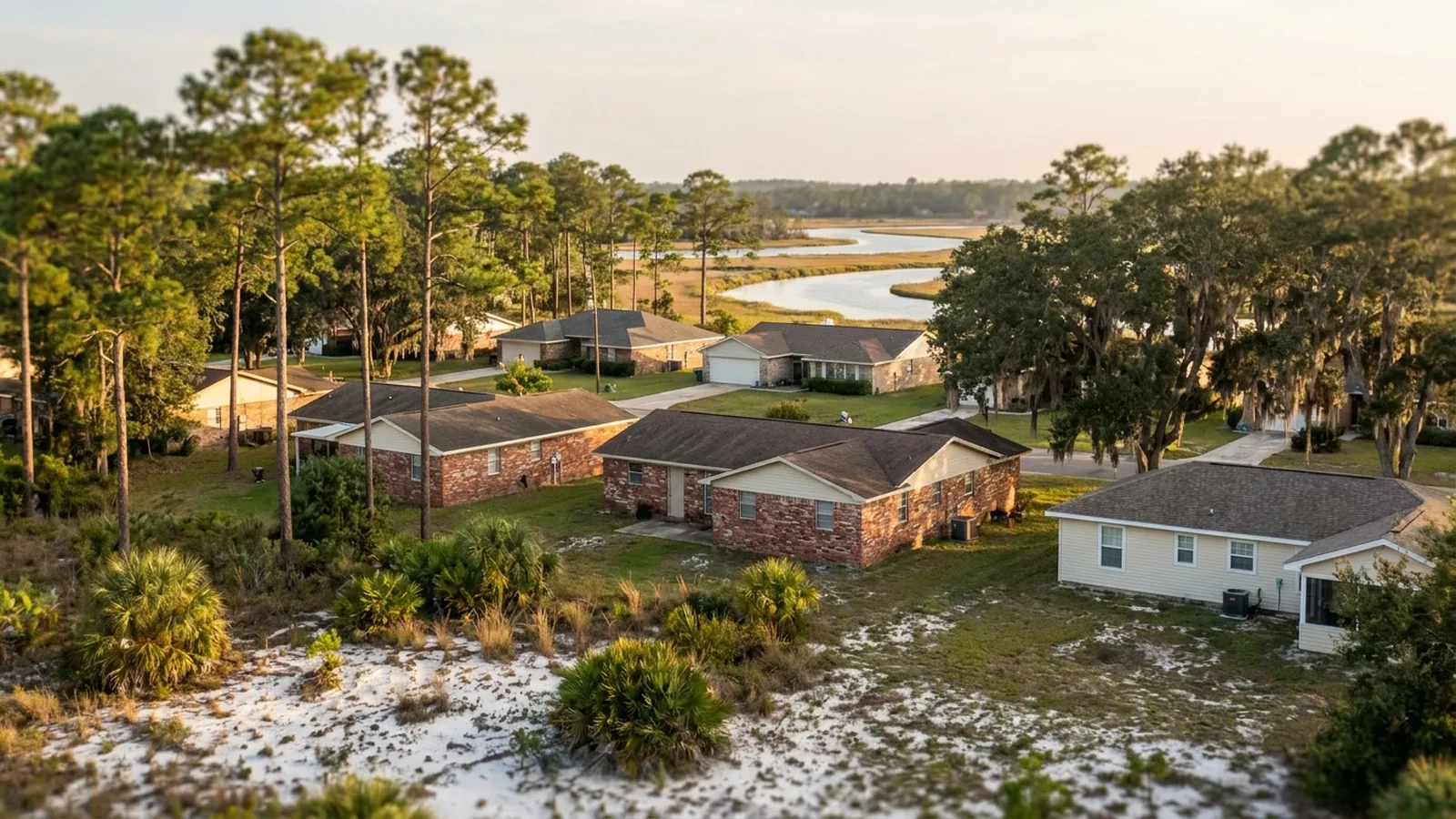
House releveling in Panama City runs $3,000–$12,000, depending on how far out of level the structure sits and how much of the footprint moves. On a house the survey shows is stable, this is comfort work rather than foundation repair — and worth buying knowingly.
The sequence that costs least, what a lift target is, and why recovering the last inch is usually the expensive one.
The foundation repair sequence, and why the order is not negotiable
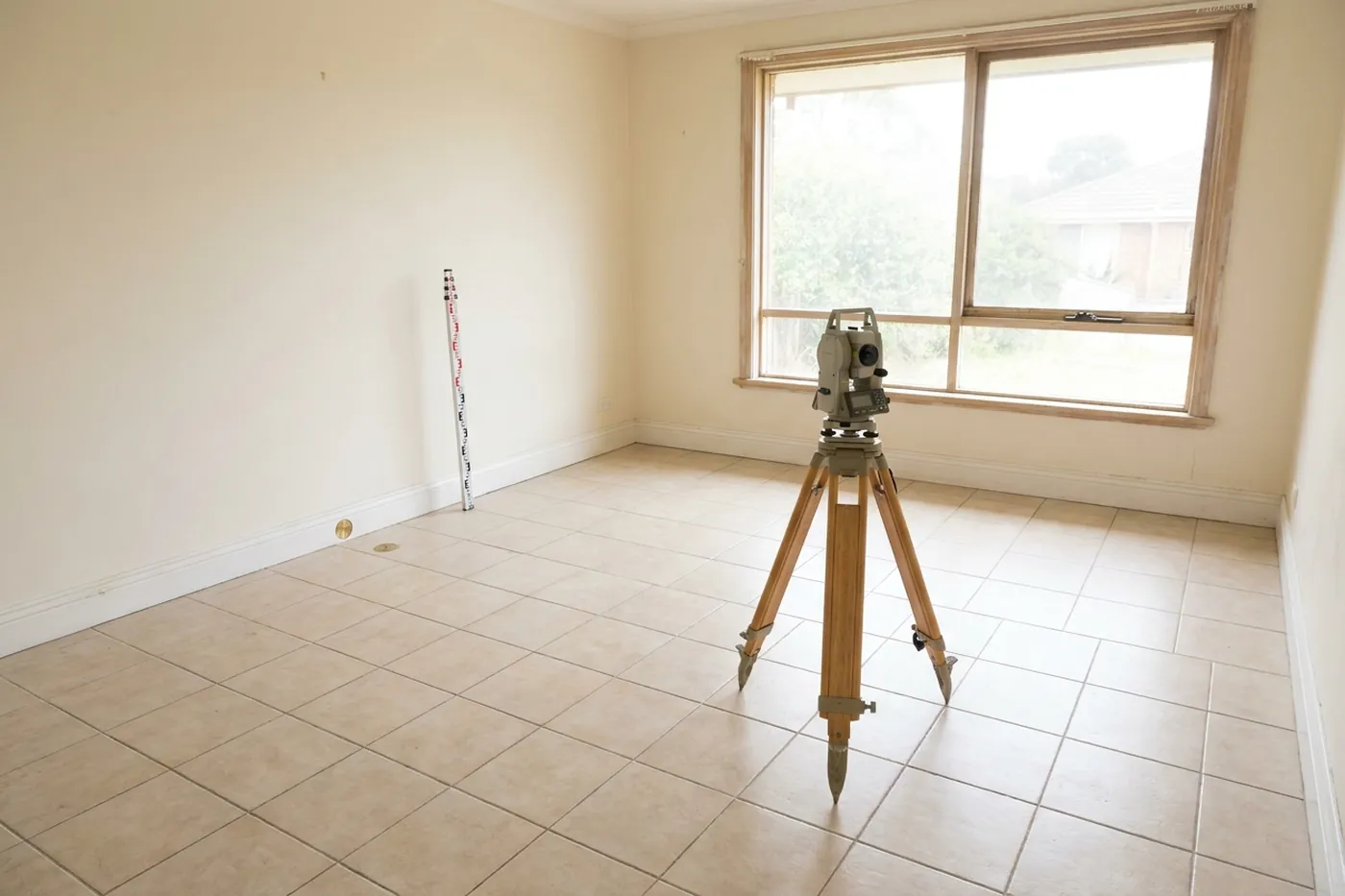
- Measure. Relative elevations across the footprint, before anything is priced
- Establish whether it is still moving. Two surveys, months apart; ask what the second costs
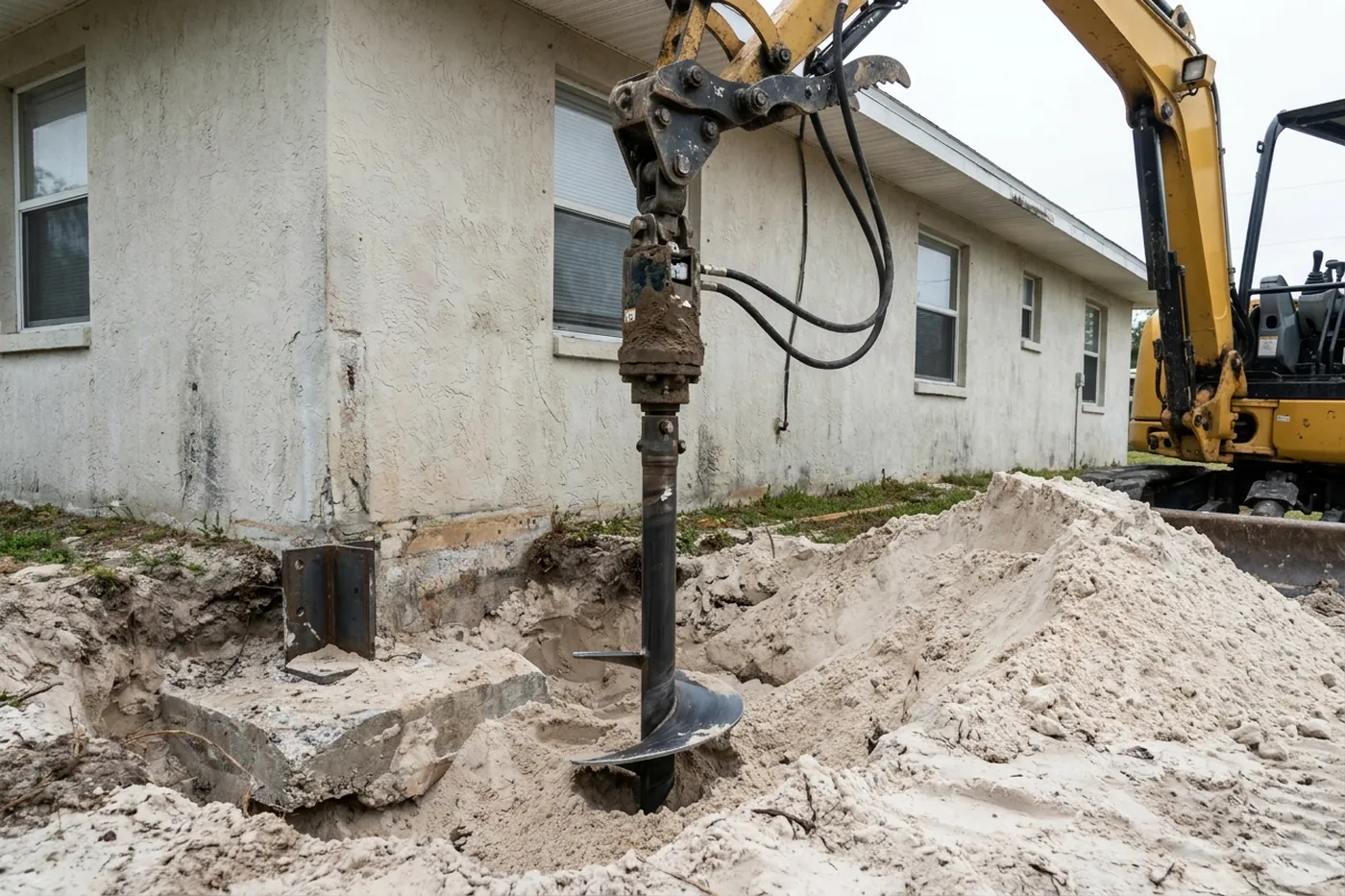
- Support, if it is. Piers carrying load past the compressible layer
- Relevel. Recover elevation to an agreed target
- Cosmetics. Crack repair, doors, trim — last, because they move during step four
Reversed, the classic outcome is a beautifully releveled floor on ground that is still compacting, which buys a few years and then asks to be bought again. Where step two says the house is stable, step three drops out and the job gets substantially cheaper.
What a lift target is
A number, agreed in writing before anybody puts a jack under anything: how much elevation the contractor intends to recover, at which points, expressed in inches or fractions of an inch.
It exists because “we will level your house” is not a commitment anybody can hold a contractor to. A house that has been three inches down at one corner for twelve years has closed around that shape. Recovering two and a half of those inches is usually straightforward. The last half inch can cost more than the first two and crack more finishes doing it.
What it does to the house
| Finish | What to expect during a lift |
|---|---|
| Drywall and plaster | Some cracking, mostly at openings. Repairable, and expected |
| Ceramic and stone tile | Least forgiving. Grout lines and occasionally tiles will go |
| Brick veneer | Moves in courses. Mortar cracking is common and repointing may follow |
| Doors and windows | Frequently improve, occasionally need rehanging afterward |
| Plumbing | Rigid runs under a slab deserve attention before and after a significant lift |
None of that is a reason not to relevel. It is a reason to decide how much lift you actually want, which is exactly what the target is for.
When leaving it alone is the advice
An older house, movement long finished, a fall you notice with a marble but not with your feet, and no sale in prospect. That house is not unsafe and the money buys very little. Saying so costs a contractor the job, and it is the correct advice.
The situation changes if you are selling, if the slope is bad enough to affect how you live in the house, or if the survey shows the movement is ongoing — in which case the conversation is really about settlement repair, and releveling is the last step of it rather than the whole job.
Releveling, answered plainly
What does house releveling cost in Panama City?
Reckon on $3,000-$12,000, set by how far out of level the house sits, what it is built on, and how much of the footprint has to move. Where support work is needed first, that is priced separately and comes first in the sequence.
Should I relevel if the movement has stopped?
That is a comfort decision rather than a structural one, and it is entirely legitimate. A floor with a noticeable fall is unpleasant to live on. Just be clear you are buying a level floor rather than buying safety, because on a stable house those are different purchases.
Can everything go back exactly where it started?
Rarely, and promising it is a warning sign. A structure adjusts to its position over years - finishes settle, joints close, trim gets fitted to the shape it found. Recovering most of the elevation is realistic; recovering all of it usually costs more than the last inch is worth.
Will releveling crack my walls?
It can, and any honest contractor tells you so beforehand. Moving a house that has been in one position for a decade puts stress back into plaster, tile and brick. Ask for the intended lift as a number so you can decide how much movement you want to authorise.
Do I relevel before or after piers?
After, always. Recovering elevation on ground that is still compressing means paying for the same inches twice. Support first, then lift, then cosmetics - and if the survey says the house is stable, the first step drops out of the sequence entirely.
Book a Panama City elevation survey
Tell us roughly when the house was built and whether the lot was raised or filled before it went up — even “I think they trucked dirt in” is worth knowing. On this ground the age of the house and the history of the pad narrow the answer faster than any description of a crack. A local specialist who serves Panama City will call you back.